Reading live cricket odds without treating them like an investment
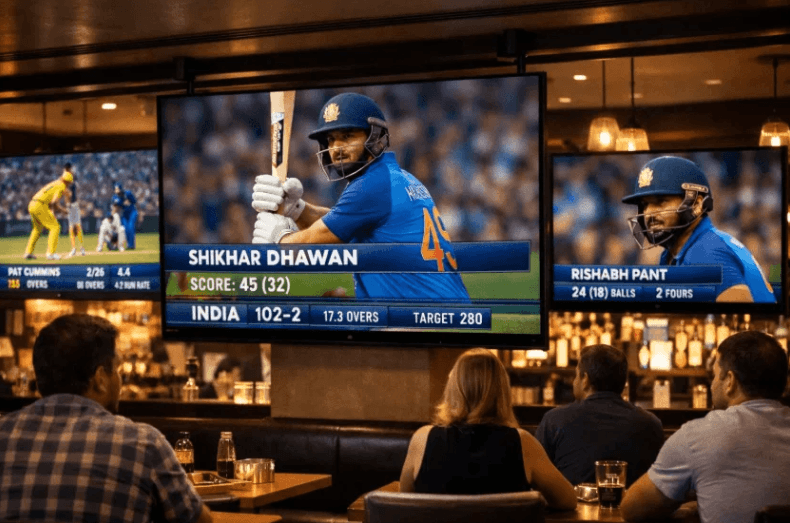
Live cricket has a rhythm that can make every decision feel more urgent than it really is. A batter misses two balls, a captain brings back the strike bowler, the required rate climbs, and suddenly the whole match feels different. For fans, that tension is part of the fun. For anyone looking at live odds, it is also the exact moment when clear thinking matters most.
Cricket odds can move quickly because cricket itself changes quickly. That does not make them an investment tool. It makes them a live entertainment layer built around uncertainty, timing, and risk.
Live odds move because the match keeps changing
A cricket match can look steady for ten minutes, then turn in three balls. One wicket can expose a weaker middle order. A dropped catch can allow a set batter to continue batting. A short boundary can change the feeling of a chase. Even weather, dew, pitch wear, and bowling matchups can affect how people read the next phase.
For adults in places where betting is legal, a desi live cricket betting app may sit beside the broadcast as part of that second-screen routine, especially when the match involves South Asian teams, familiar players, or late-innings pressure. The important point is that live odds should be read as changing match information, not as a financial plan. A cricket game is not a portfolio, and a moving number is not a promise.
The investor mindset can help, but only in one way
People who follow markets understand one thing well: emotion is expensive. A rushed decision after a sudden move often feels powerful in the moment, but it can be weak once the pressure passes. Live cricket creates a similar feeling. A six, a wicket, or a tense over can make the next decision feel obvious, even when the match is still open.
That does not mean betting should be treated like investing. It should not. There is no asset being built, no ownership, no long-term compounding, and no reliable growth path. Still, the discipline used in finance can help people avoid careless behavior: set limits before the action starts, separate entertainment money from real needs, and never chase a bad result just because the next over feels tempting.
What fans should read before they react
Live odds often look sharper when they are connected to cricket context. Without that context, they are just numbers moving on a screen.
- Which batters are set and who is still to come.
- How many overs do the best bowlers have left?
- Whether the pitch is slowing down or skidding on.
- How easily the batting side is finding singles.
- Whether the required rate is rising slowly or suddenly.
- How much one boundary would change the pressure.
These details do not remove uncertainty. They only help explain why the match feels the way it does. Cricket still has too many moving parts for any live reading to become safe or certain.
A calm fan usually reads the match better
A person who watches one ball at a time can get pulled around by every swing. The calmer fan searches for patterns. Is the batter late on pace? Is the spinner making the ball grip? Is the fielding side protecting just one weak over? Is the chase truly under control, or is it only being held together by one set player?
That slower reading matters because cricket often tricks people. A team can look comfortable while the required rate quietly climbs. A bowler can look expensive but still be one wicket away from changing the innings. The scoreboard gives the number, but the match gives the warning signs.
Budget control is the real risk management
In finance, risk management is not a decoration added at the end. It is part of the decision before money moves. The same kind of discipline is useful around betting-style entertainment, even though the activity itself is completely different from investing.
The safest limit is the one chosen before the match starts. Money needed for food, rent, bills, transport, savings, debt payments, or family responsibilities should stay out of the session completely. Once the match becomes emotional, limits are harder to respect. A close chase can make one more decision feel small, then another, then another. That is how a quick live check can become something less controlled.
A fan does not need to remove the excitement from cricket. The better habit is to keep the excitement in its proper place.
The match should stay bigger than the odds
Live odds can add another layer to cricket, but they should never become the main story. The real pleasure of the sport is still in the bowler changing length, the batter adjusting after a mistake, the field moving quietly, and the crowd sensing pressure before the scorecard fully shows it.
A healthy second-screen habit lets the fan read more without losing the match itself. Check the situation, understand the movement, talk about the game, and step back when the numbers start feeling too loud. Cricket is already rich enough without turning every ball into a financial decision. The best experience keeps the sport at the center and lets every other layer stay smaller.